“At My Table” promised an evening of love, acceptance, and healing through the universal language of music, a concept both profound, and urgently needed in a world that often forgets to pause, breathe, and listen. On October 12th, 2025 the event brought together a lineup of seasoned vocalists at the Naparima Bowl, accompanied by the ever-capable EFX The Band. Together, they aimed to create not just a concert, but an experience, a sacred space where emotion met artistry, and where audiences could gather to confront the feelings often left unspoken.
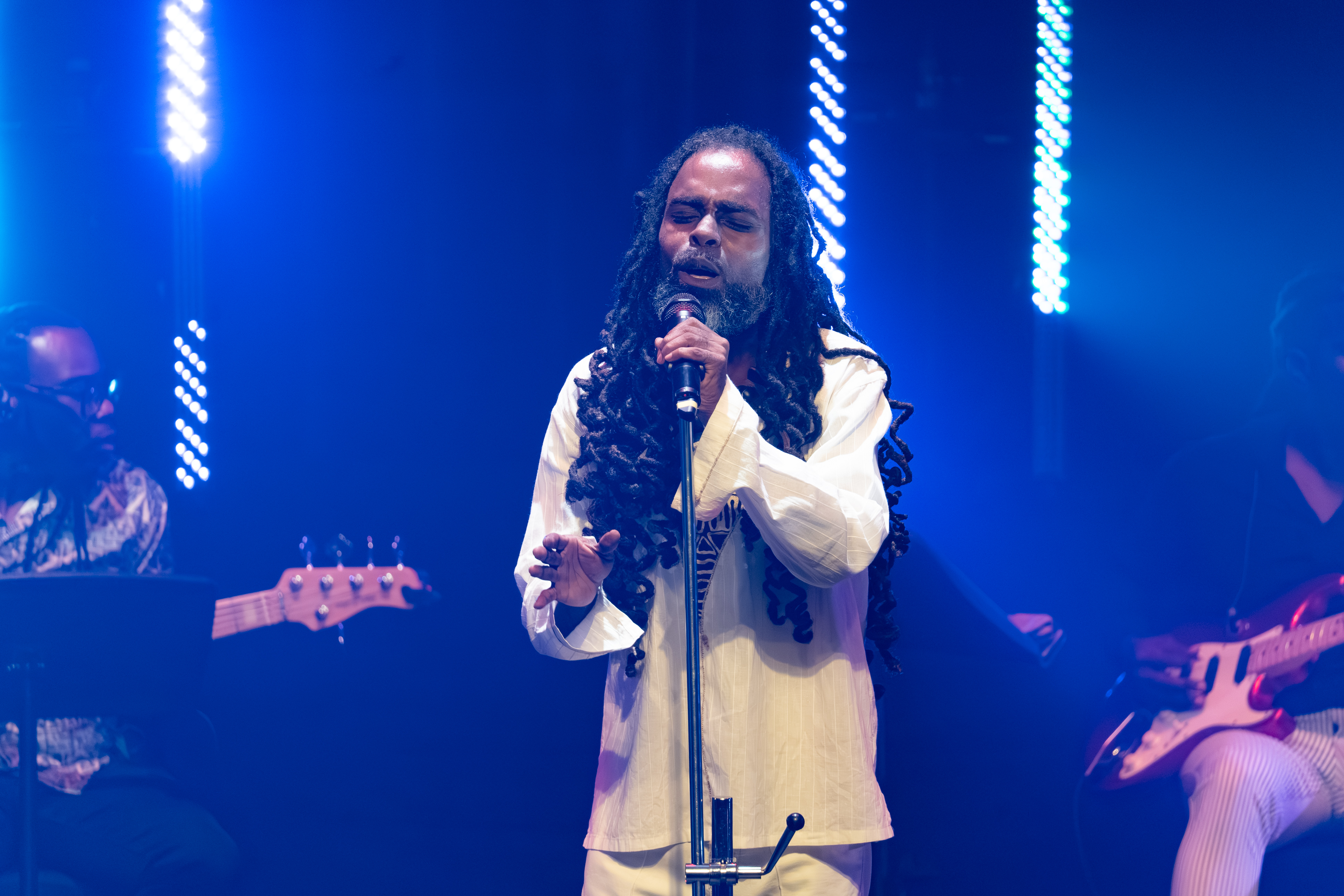
From the moment I arrived, there was a palpable sense of anticipation, the kind that fills a room when art and intention are about to meet. Yet, as the minutes laboured on, that anticipation began to wane. The show, scheduled for 7PM did not begin until after 7:25, and that delay unfortunately tempered the initial excitement. For a production of this nature, one marketed as a carefully curated journey, time management is essential, as it sets the tone for everything that follows.
Still, when the house went dark and the first lighting cues were signalled, there was an indescribable magic in the air. The ambient glow, paired with a soft haze and gentle uplights, transformed the space into something almost ethereal. The stage, half-veiled by the curtain, gave just enough of a tease, a glimpse of the band, a silhouette of the instruments before the show began. Throughout the night, Nicholas Lochan’s lighting design was easily one of the production’s most remarkable features. It was not just decorative, it was deliberate in its storytelling: every hue, every flicker, every subtle fade felt intentional. The shifts in lights mirrored the emotional transitions of each piece, and in moments when vocals or pacing faltered, the lights seemed to step in as silent narrators, carrying the mood forward.

Yet despite the visual strength of the production, the energy in the room never quite found its footing. The audience turnout was modest, intimate, yes, but sparse enough to make one wonder what level of marketing and promotion had been done for such a promising and purpose-driven concept. The message of love, healing, and openness deserved a fuller house, a larger table. That being said, the smaller crowd did offer its own kind of charm. It created a sense of community, as if those present had been personally invited to share in something sacred. There was room to breathe, to feel, and to connect.
At the same time, one couldn’t shake the sense that the production, though birthed from sincerity and vision, had more to give. There were glimmers of brilliance throughout the night, moments where everything aligned: voice, lighting, message, and mood, but between those moments were stretches that lacked cohesion, as if the show was searching for its rhythm – reaching for something just out of grasp.
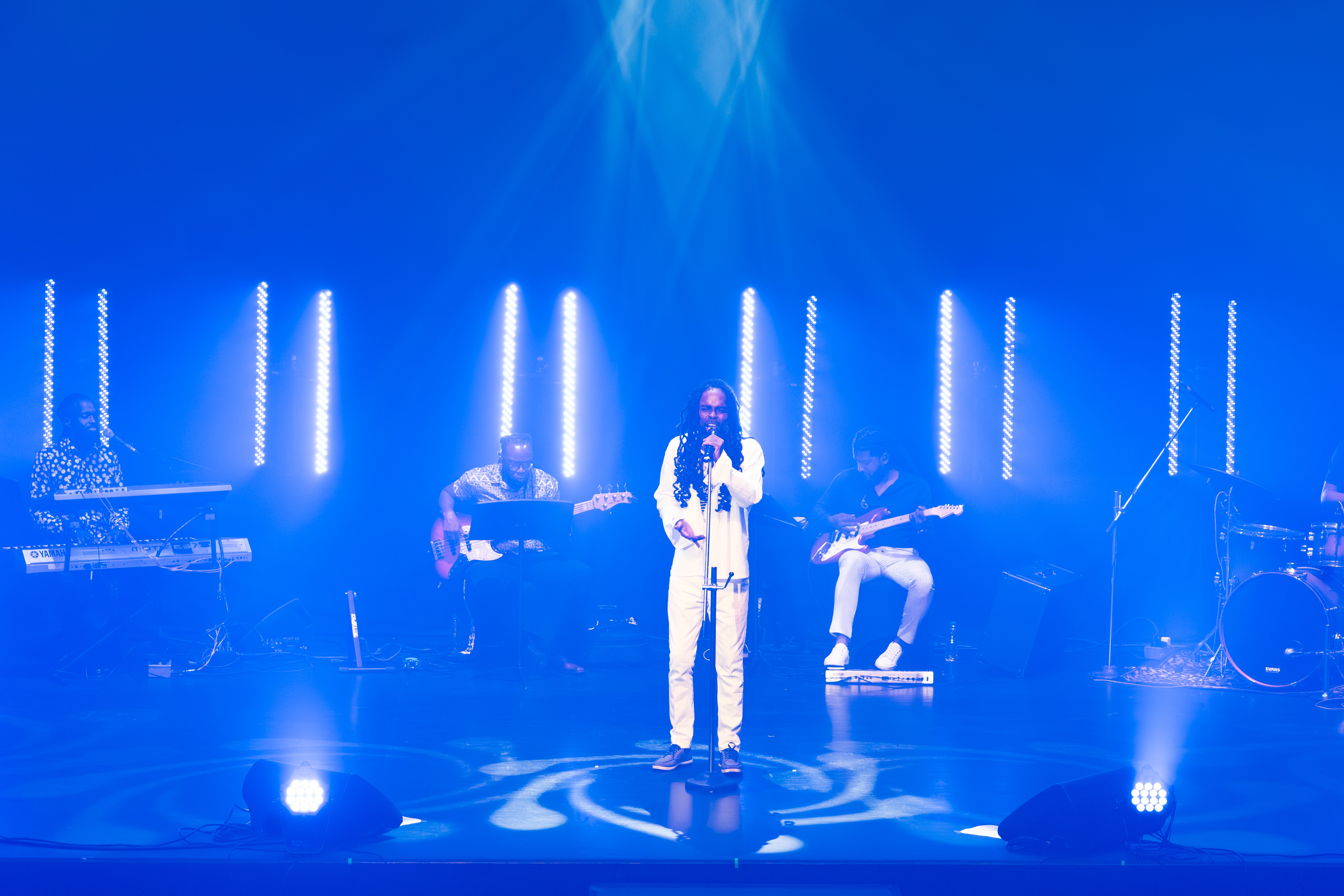
The first voice to greet the audience was Kevin Humphrey, whose opening performance set the tone for what the night aspired to be – honest, intimate, and human. His decision to keep the curtain half-open, giving us a glimpse of EFX The Band behind him, was a thoughtful directorial touch. It broke the traditional performer–audience divide and invited us directly into the heart of the music. Kevin’s tone carried warmth and emotional truth, though there were moments when passion overpowered precision. His later renditions, including Feeling Good, were bold in interpretation but missed the impact I have come to expect from such a classic; the crescendo moments that should have soared instead felt restrained, as though he was holding back from his own potential.
Then came Candice Caton-Ifill, who completely transformed the energy of the space. With two original songs, she stood firm in her unapologetically authentic artistry. Take Me In was the kind of performance that commands both silence and attention; her voice moved between power and tenderness with ease, revealing a deep sense of vocal maturity and spiritual grounding. The backlighting, though beautifully atmospheric, sometimes made it difficult to see her clearly, a minor technical choice that slightly dimmed an otherwise radiant performance. Nevertheless, Candice was magnetic. Her confidence was quiet but undeniable, her presence commanding yet gentle. She knew her message, and she delivered it with conviction.
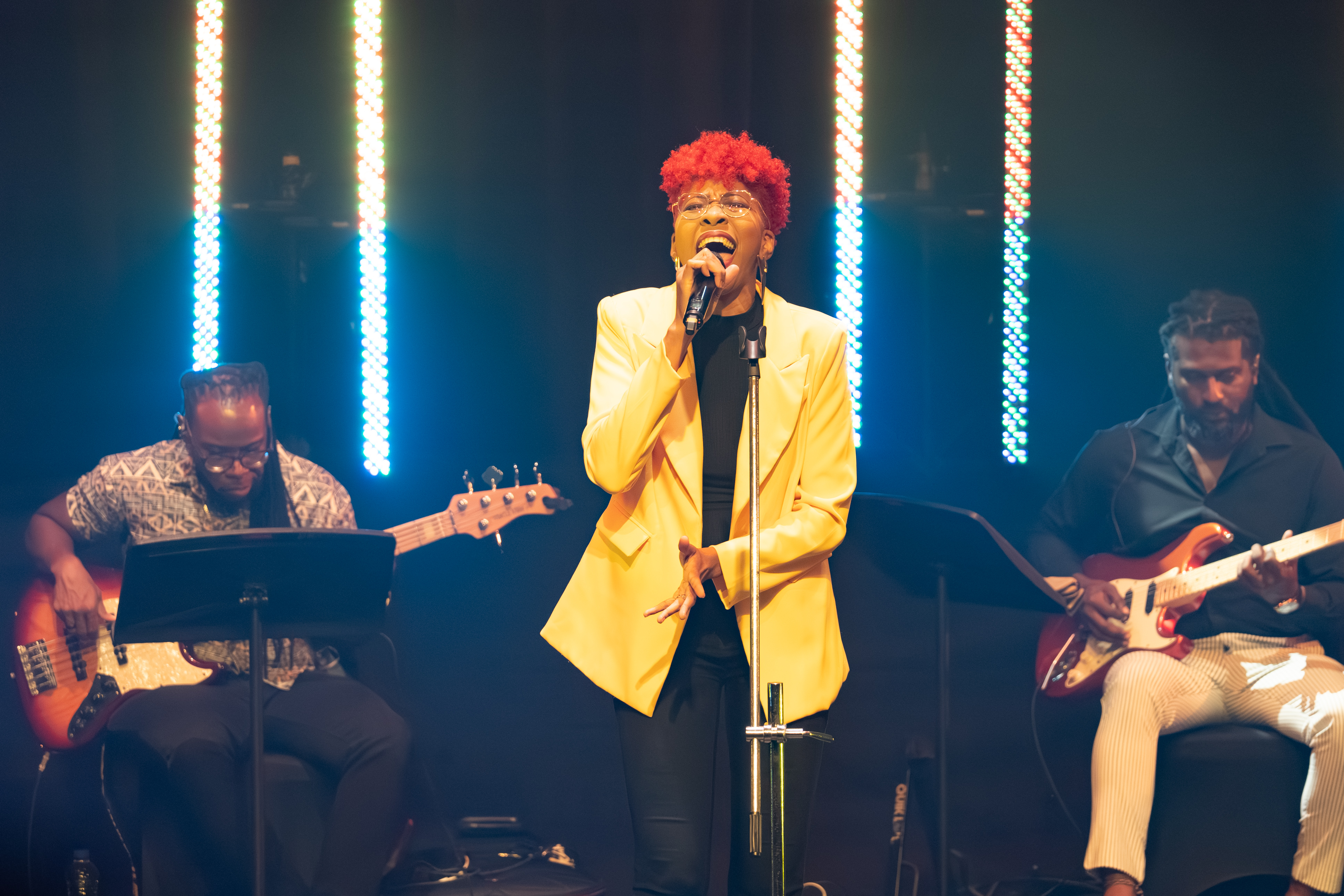
Syntyche Bishop followed, gliding onto the stage with poise and purpose. Her rendition of Smooth Operator lived up to its title – silky, effortless, and vocally rich. Her control and tone made it nearly impossible to look away, each phrase shaped with care. A small technical hiccup between her and the band briefly disrupted the flow, but she recovered seamlessly. The addition of the saxophonist alongside her brought new texture to the sound, an elegant, soulful dialogue between brass and voice. With American Boy, she leaned further into her playful side, balancing charisma with control, and keeping the audience engaged.

When Roze took her turn at the mic, the stage was ignited; the air itself seemed to charge with energy. She was electrifying from her very first note. Her voice was both a storm and a balm. There was a clear synergy between her and the band; she followed their rhythm as much as they followed her, each one breathing life into the other’s performance. Her range and control were undeniable, her passion raw yet refined. It was a performance that didn’t just entertain, it moved. Goosebumps rose, not just because of the strength of her vocals, but because of the emotional honesty behind them. Roze embodied the spirit of the show’s theme of healing through raw musical truth.
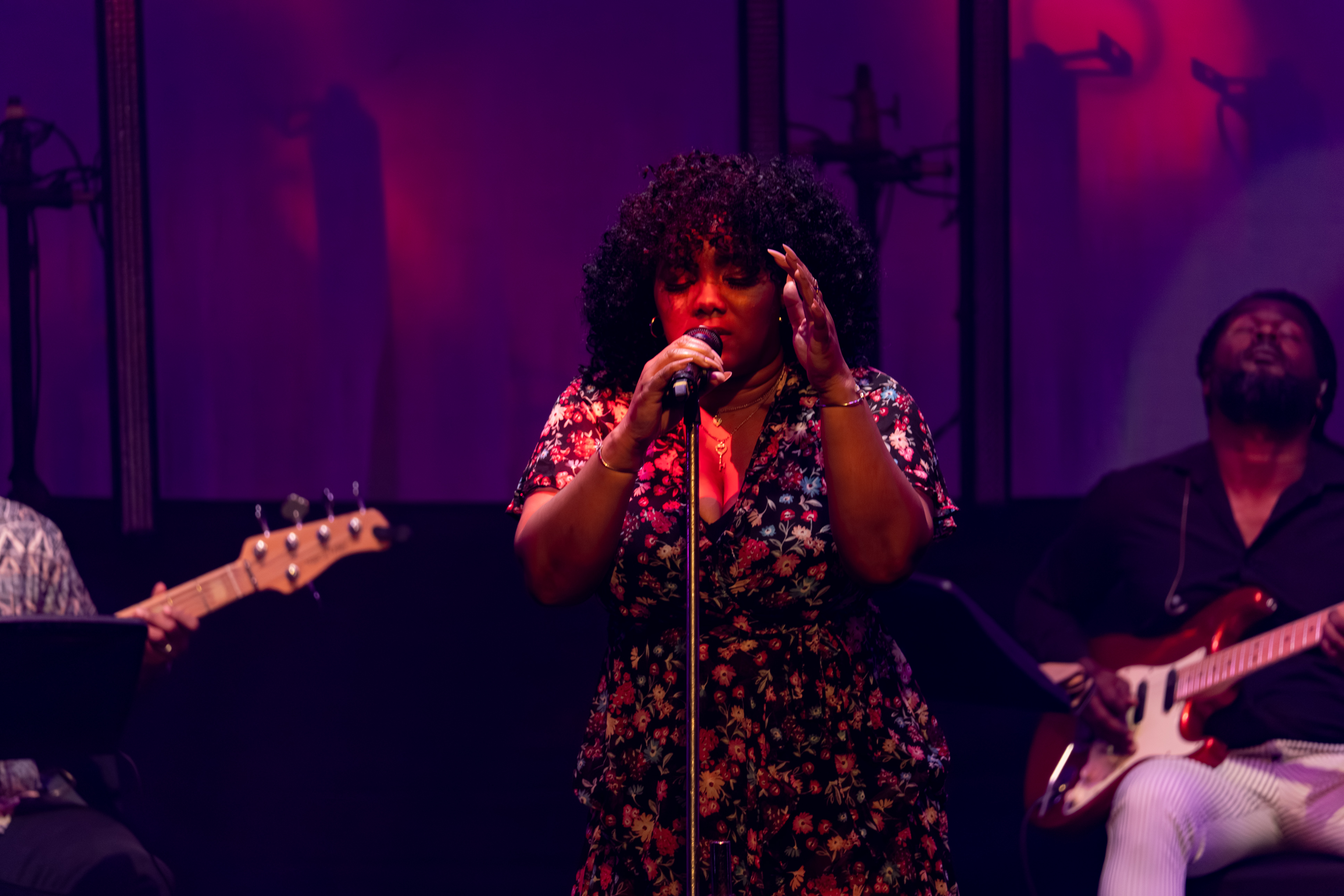
And then came Patrice Richardson, whose very presence commanded reverence. Her voice carried history, the kind that speaks of lineage, resilience, and lived experience. There was a timelessness to her tone, a weight to her words that pulled you into every lyric. She barely moved, yet her stillness filled the stage. Through her voice alone, she transported the audience across generations of sound and soul. Patrice reminded everyone in the room what it means to own a stage without needing to dominate it.
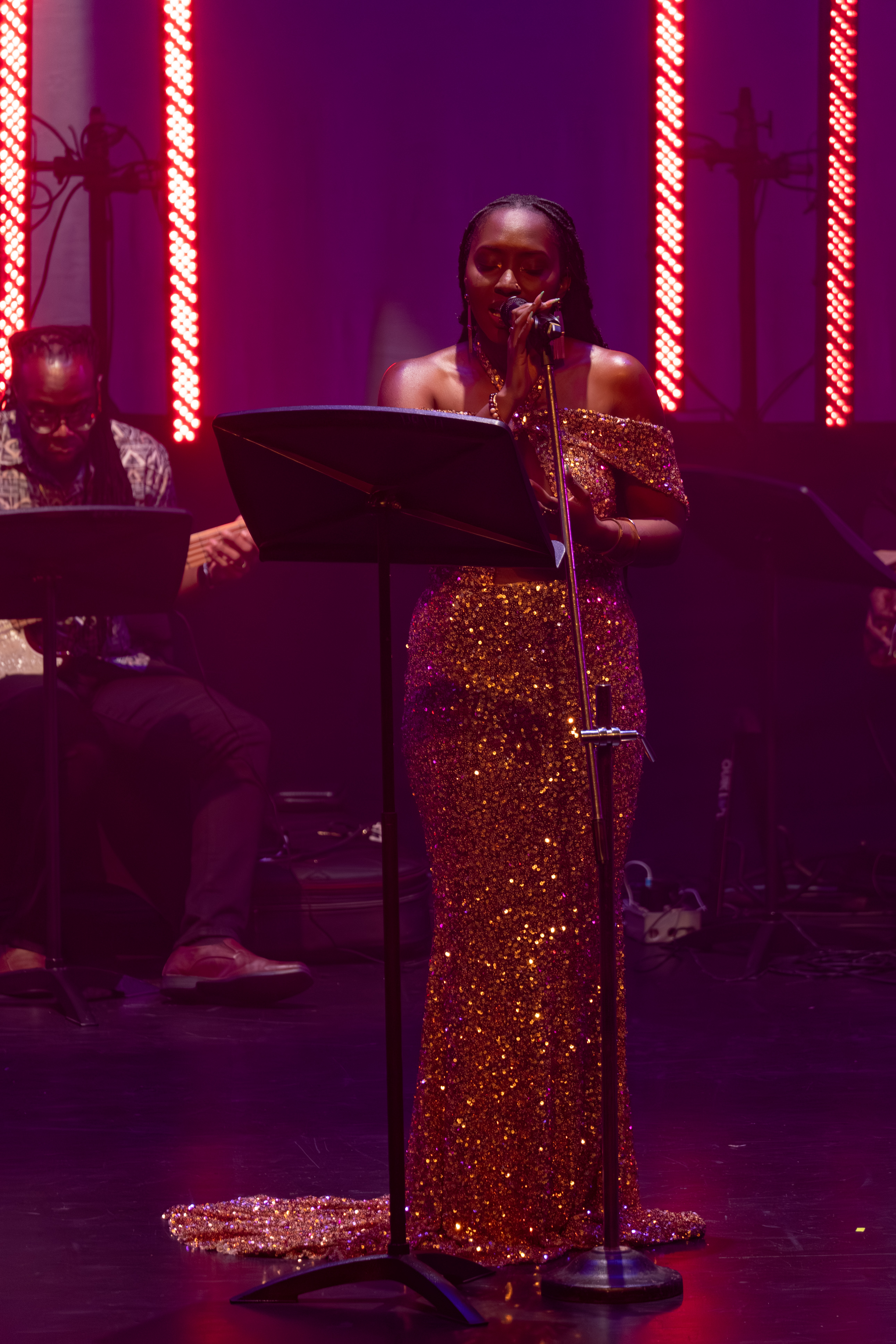
Through it all, EFX The Band served as the show’s steady heartbeat. Their professionalism and cohesion were evident from start to finish. Transitions between performers were smooth and unhurried, giving the night a natural rhythm. Jeremy McIntosh on guitar, Andre Jack on bass, Emile Fortune on piano, and Nicholas Thomas on drums each contributed layers of precision and feeling that held the entire production together. Jesse Schultz – the saxophonist, in particular, added a luminous touch, a golden thread weaving through several performances, giving the show a sense of continuity and texture. Their collective musicianship elevated moments that might have otherwise fallen flat, proving that even in an uneven production, the music itself when played with heart can still heal, uplift, and connect.
At its core, “At My Table” was built on a beautiful idea – a musical sanctuary where honesty, vulnerability, and healing could coexist without judgment, standing as a testament to the power of intention. While the show’s delayed start, uneven pacing, and occasional moments which felt under-rehearsed made it less polished than its concept deserved, beneath those imperfections was a pulse that never faltered. Each performer, in their own way, offered a piece of themselves and that authenticity became the night’s saving grace. In an industry that often prizes perfection over authenticity, this production dared to prioritize humanity — and that, in itself, is worth celebrating.

Photo highlights from ‘At My Table’ | Photo credit: Denithy 
Photo highlights from ‘At My Table’ | Photo credit: Denithy 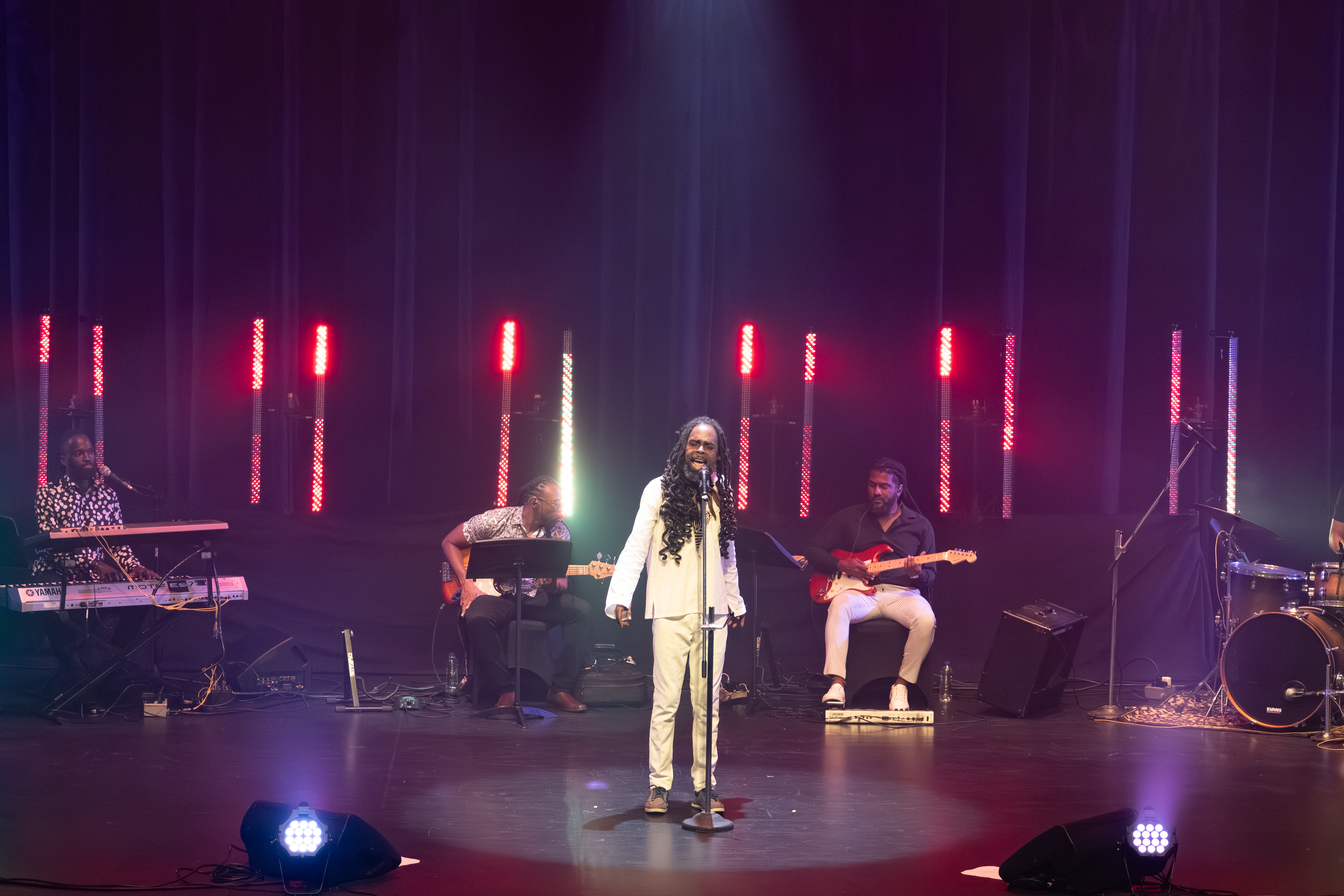
Photo highlights from ‘At My Table’ | Photo credit: Denithy 
Photo highlights from ‘At My Table’ | Photo credit: Denithy 
Photo highlights from ‘At My Table’ | Photo credit: Denithy 
Photo highlights from ‘At My Table’ | Photo credit: Denithy 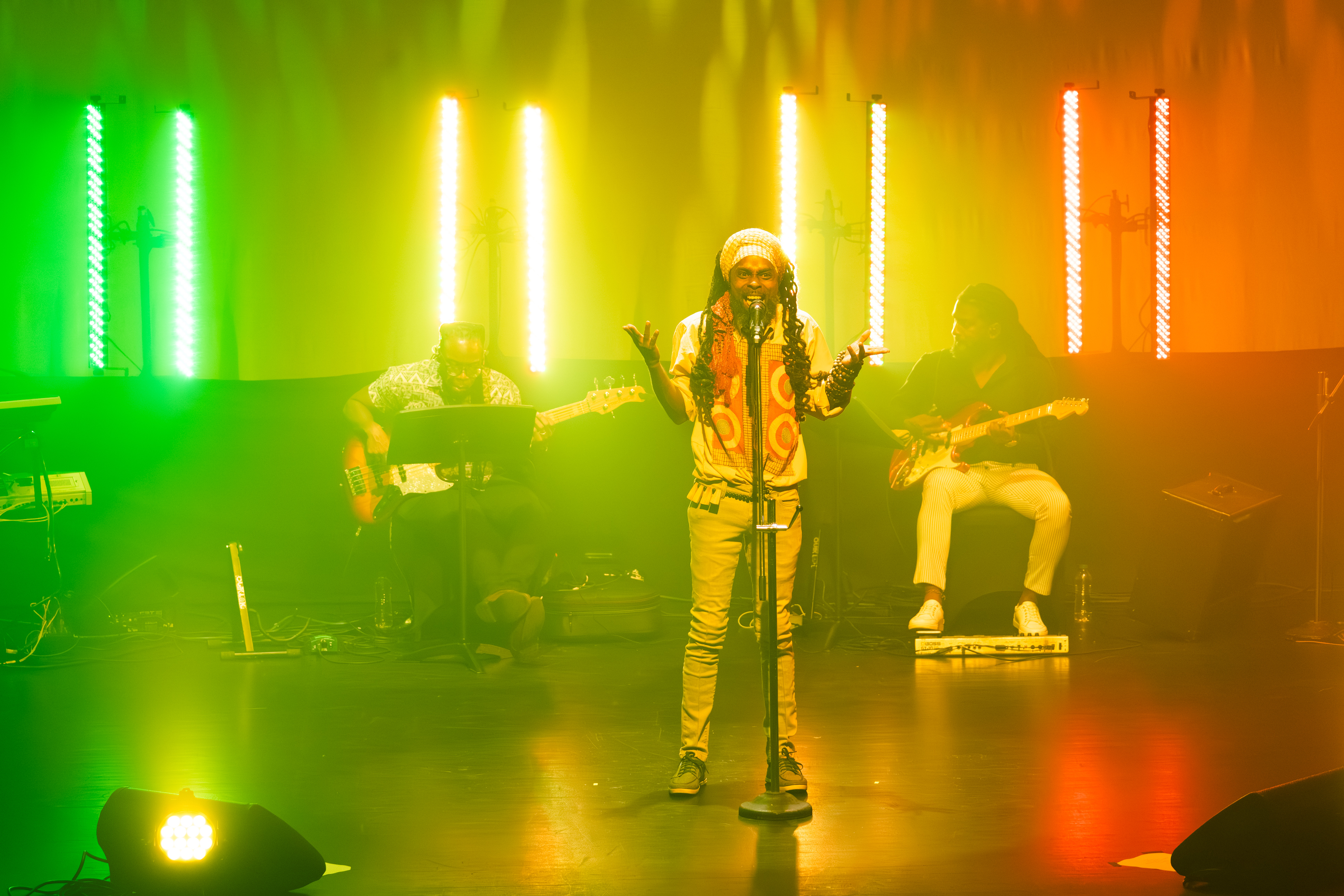
Photo highlights from ‘At My Table’ | Photo credit: Denithy 
Photo highlights from ‘At My Table’ | Photo credit: Denithy 
Photo highlights from ‘At My Table’ | Photo credit: Denithy 
Photo highlights from ‘At My Table’ | Photo credit: Denithy 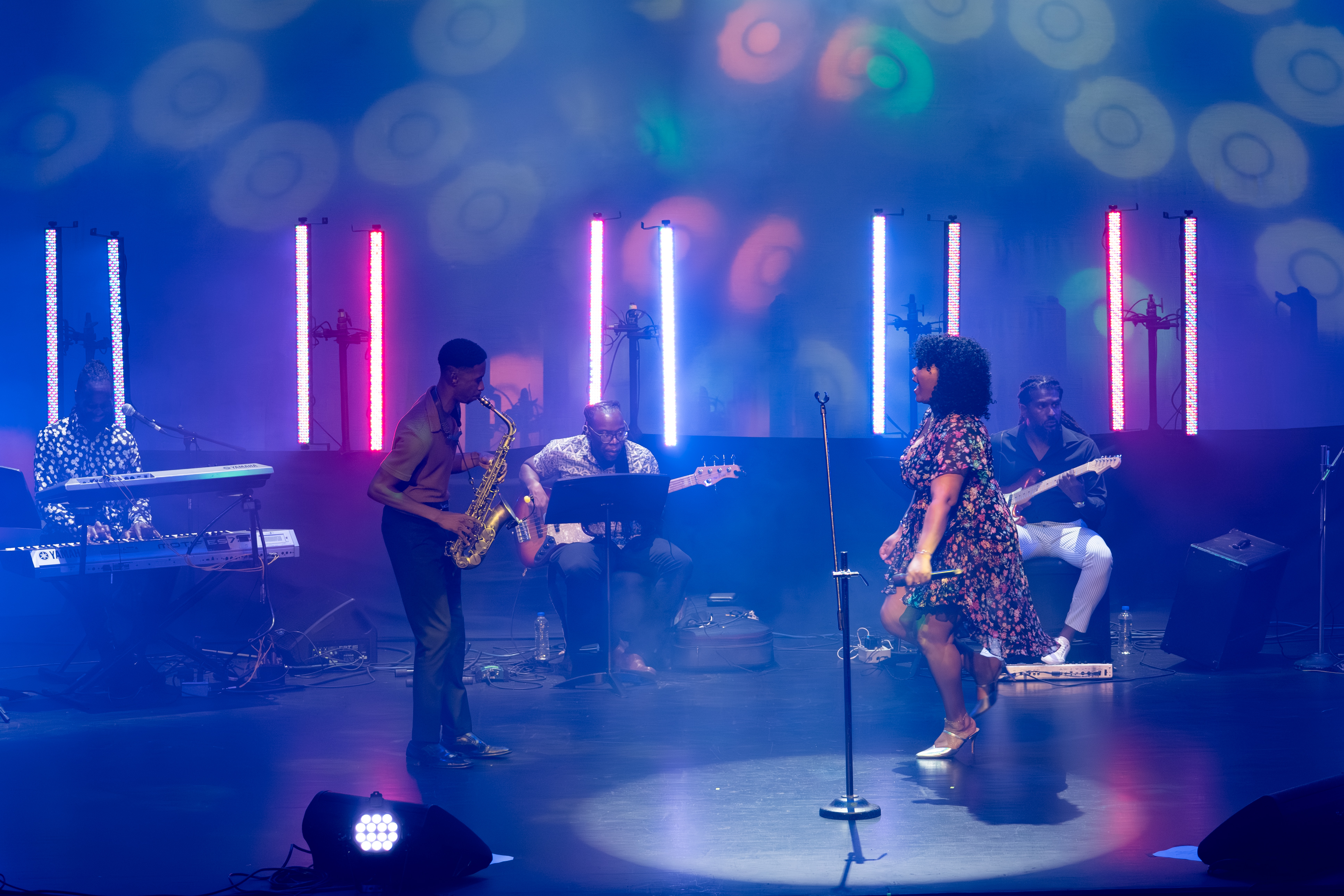
Photo highlights from ‘At My Table’ | Photo credit: Denithy 
Photo highlights from ‘At My Table’ | Photo credit: Denithy 
Photo highlights from ‘At My Table’ | Photo credit: Denithy 
Photo highlights from ‘At My Table’ | Photo credit: Denithy 
Photo highlights from ‘At My Table’ | Photo credit: Denithy 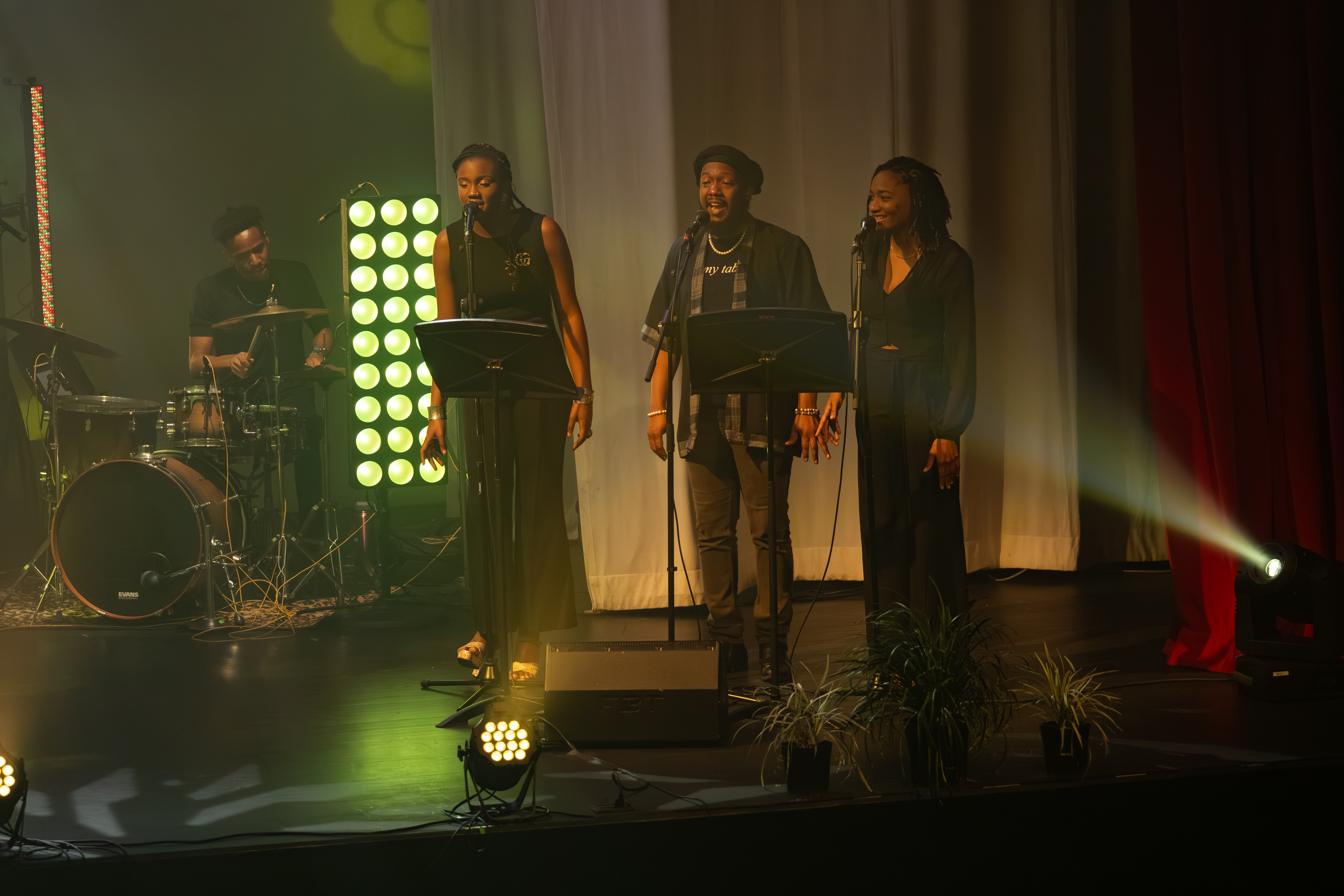
Photo highlights from ‘At My Table’ | Photo credit: Denithy 
Photo highlights from ‘At My Table’ | Photo credit: Denithy 
Photo highlights from ‘At My Table’ | Photo credit: Denithy 
Photo highlights from ‘At My Table’ | Photo credit: Denithy 

Photo highlights from ‘At My Table’ | Photo credit: Denithy
Note: Reviews are editorially independent and reflect the informed perspective of the assigned writer. Submissions may be edited for clarity, coherence, and publication standards without altering the reviewer’s original viewpoint.
ABOUT THE AUTHOR

 The Trinidad and Tobago Performing Arts Network