May 20th marked the celebration of the 100th birthday of the local literary luminary, Sam Selvon. Seasoned professionals, Iere Theatre Productions Limited, honoured this occasion by staging a lavish theatrical adaptation of Selvon’s debut novel, A Brighter Sun, with veteran director, Victor Edwards, at the helm. This production ran from Thursday 18th of May to Sunday the 21st at the Naparima Bowl in San Fernando. As a fan of Selvon’s works, I considered myself fortunate to catch the final performance on Sunday, as patrons showed up in droves, leaving these shows quickly sold out. It was heartening to see that Selvon’s name still carried enough cultural currency to attract such a crowd nearly three decades after his death. Iere greeted this crowd with a production that felt like a visual feast hampered by a flawed script and some questionable acting choices.

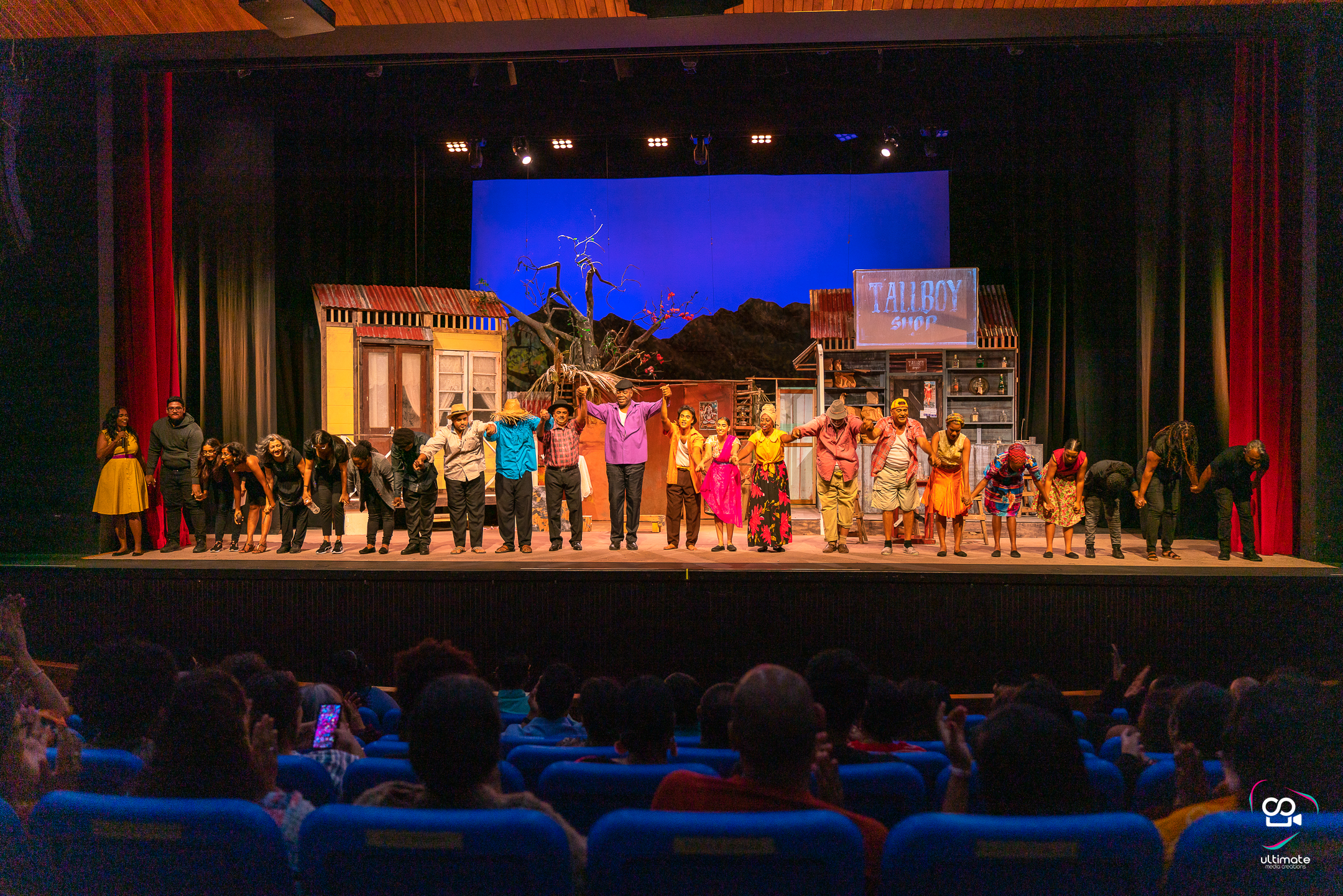
As the curtains parted at 6PM, a shiver of awe and subdued surprise rippled through the packed theatre as the beautiful, opulent set design was revealed. With the foreground open for the performers to move about, the background was occupied by meticulously constructed renditions of vintage village structures. On stage right, a quaint wooden house with a veranda stood proudly. Tall Boy’s Rumshop was on the opposite end (stage left), with a beautifully rustic bar and a table with chairs that gave the characters a dynamic space in which to interact. Squished in between these, an ajoupa – a humble mud hut that occupied the center of the stage, with tell-tale signs like pictures of Hindu deities and a peerha (small bench) that hinted toward Indian inhabitants. Scenic designer Narad Mahabir truly outdid himself and delivered a truly stunning visual set that felt authentic to the characters occupying the spaces and was fitting for the 1940’s setting of the play.
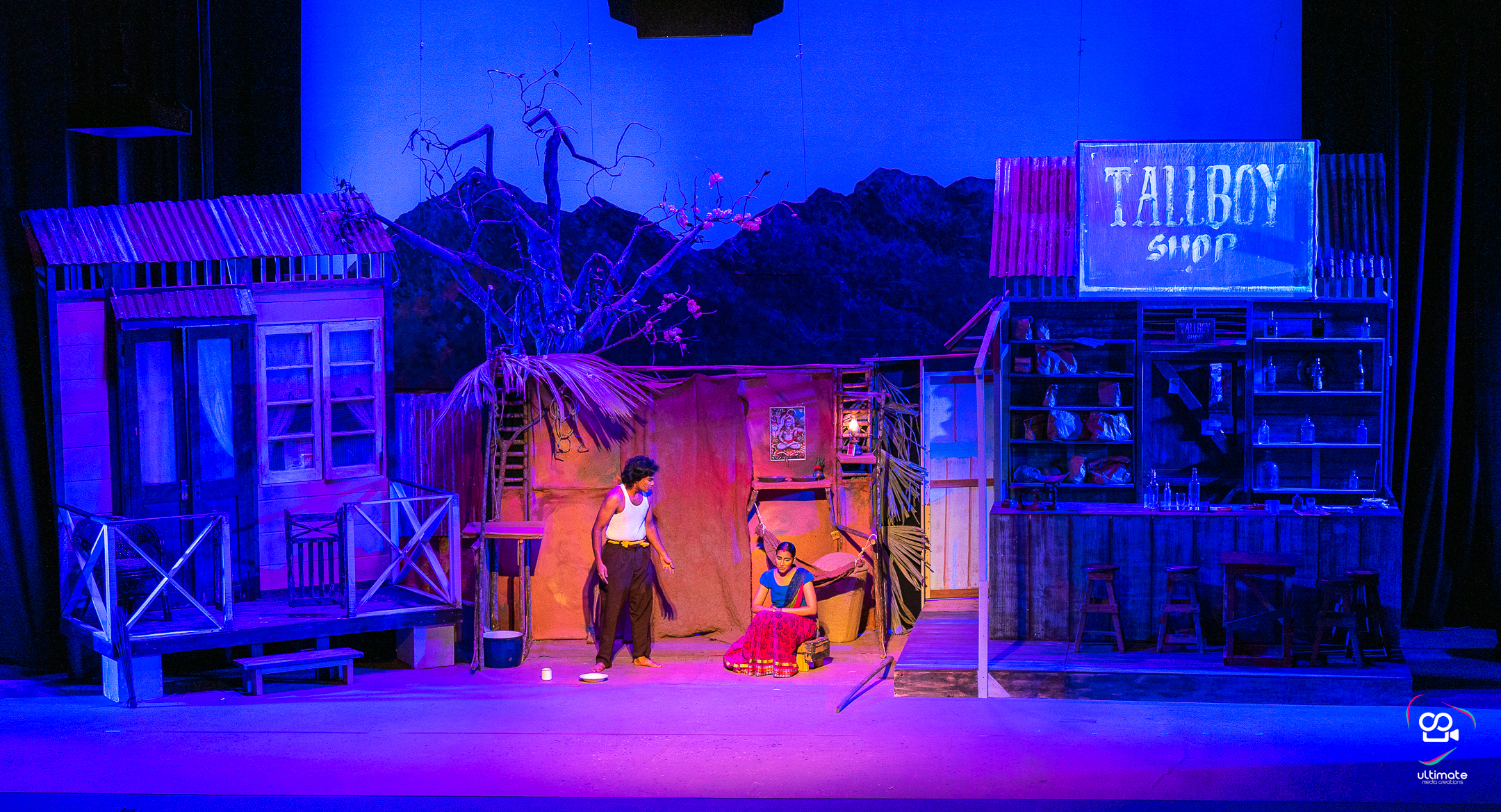
Of course, the focus of the play was not the set, but rather the characters that inhabited these spaces. At the centre of the stage, and of the play’s narrative, the young, naïve Indian couple, Tiger (Jitindra Mewahlal) and Urmilla (Vandana Maharaj), occupied the mud hut. The teenaged newlyweds have just moved to Barataria from rural, mostly Indian, Chaguanas and are faced with the daunting task of growing up all at once, making a living, and finding their place in their new village. Their neighbours, African couple, Rita (Denise Dickson-Cunningham) and Joe (Kurtis Gross), live just a little more comfortably in their wooden house, with niceties like electricity and a bed. On the other side of the stage, the village rumshop, owned by Tall Boy (Hubert Ramlal), would serve as the congregation point for the other characters from the village; notably, the drunkard farmer, Sookdeo (David Sammy), among other villagers.
Selvon’s 1952 novel explores a particular snapshot of Trinidadian history and culture through this varied cast of characters. Tiger and Urmilla contend with the gender roles and expectations imposed by their Indian upbringing as well as by the wider Trinidadian society. Tiger’s idea of being a man is someone who does hard work, drinks, smokes, and dominates his wife. After Sookdeo advises that girl children are trouble, and that he should have a boy child, he becomes obsessed with having a son instead of a daughter. Meanwhile, in her role of dutiful wife, Urmilla is faced with his increasing abuse, drinking, and arrogance as he tries to become more of a “man”.

Snapshot of Trinidadian history – A Brighter Sun (2023) | Photo Credit: Stephen Dalchan 
Snapshot of Trinidadian history – A Brighter Sun (2023) | Photo Credit: Stephen Dalchan 
Snapshot of Trinidadian history – A Brighter Sun (2023) | Photo Credit: Stephen Dalchan 
Snapshot of Trinidadian history – A Brighter Sun (2023) | Photo Credit: Stephen Dalchan 
Snapshot of Trinidadian history – A Brighter Sun (2023) | Photo Credit: Stephen Dalchan 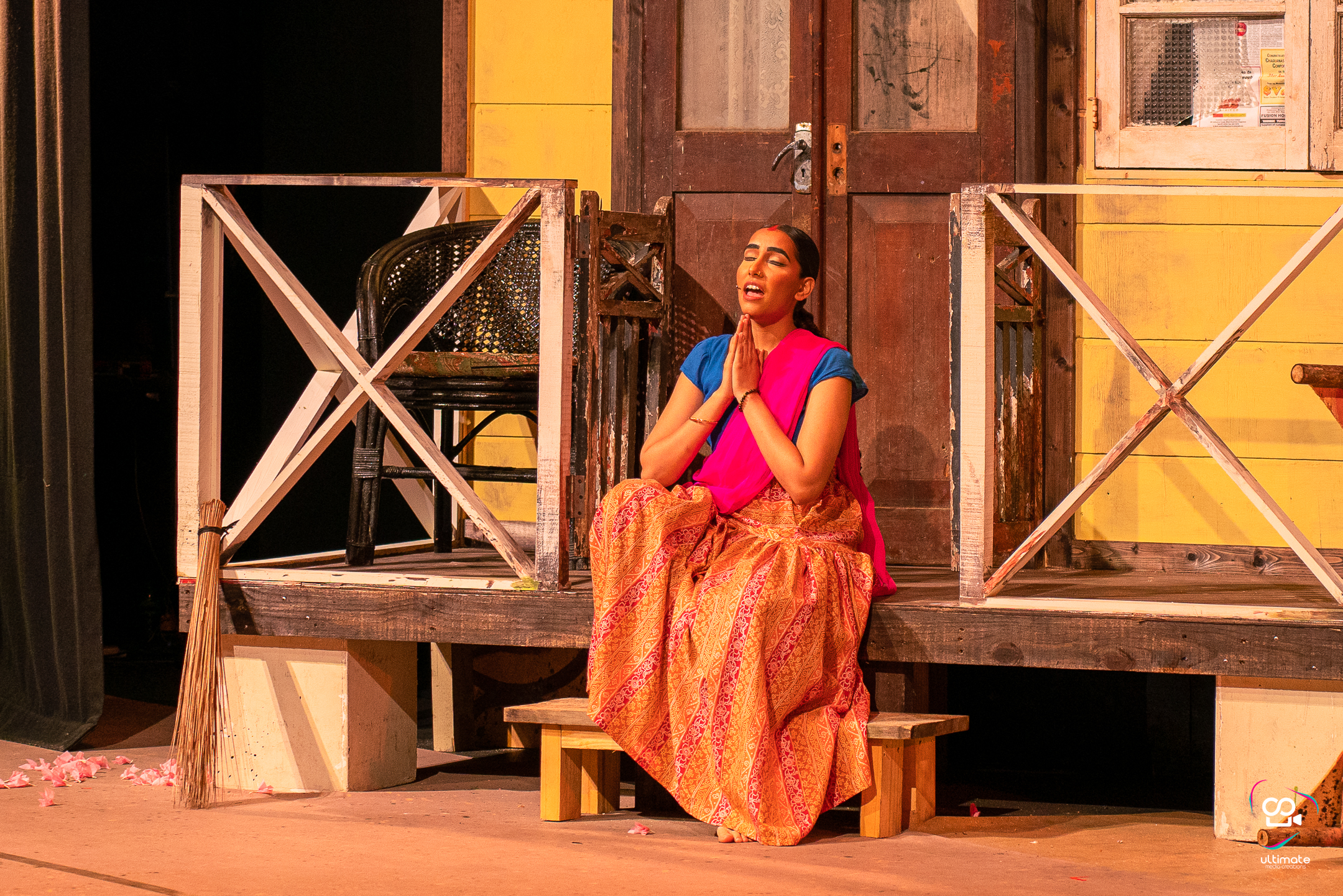
Snapshot of Trinidadian history – A Brighter Sun (2023) | Photo Credit: Stephen Dalchan 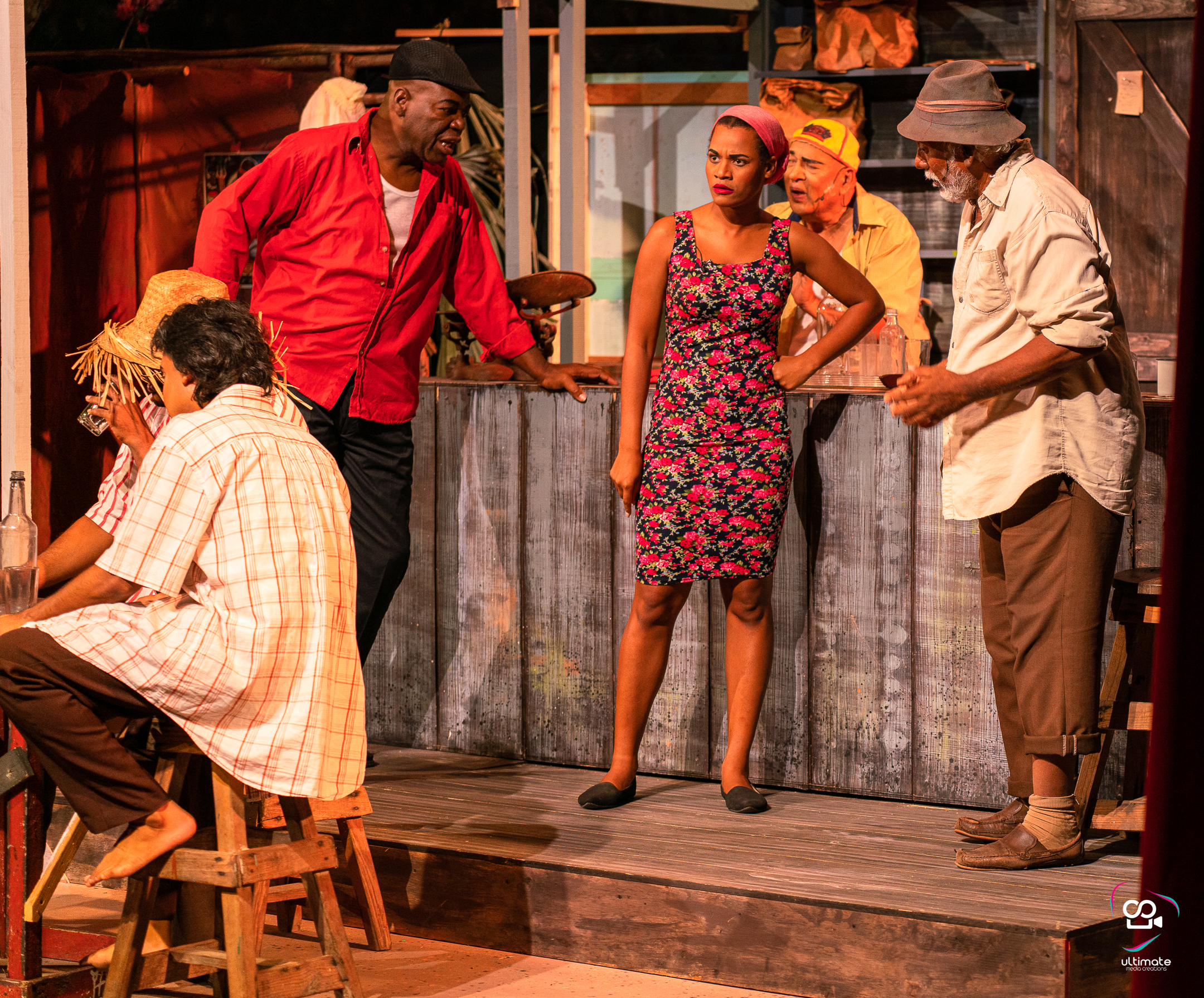
Snapshot of Trinidadian history – A Brighter Sun (2023) | Photo Credit: Stephen Dalchan 
Snapshot of Trinidadian history – A Brighter Sun (2023) | Photo Credit: Stephen Dalchan 
Snapshot of Trinidadian history – A Brighter Sun (2023) | Photo Credit: Stephen Dalchan 
Snapshot of Trinidadian history – A Brighter Sun (2023) | Photo Credit: Stephen Dalchan 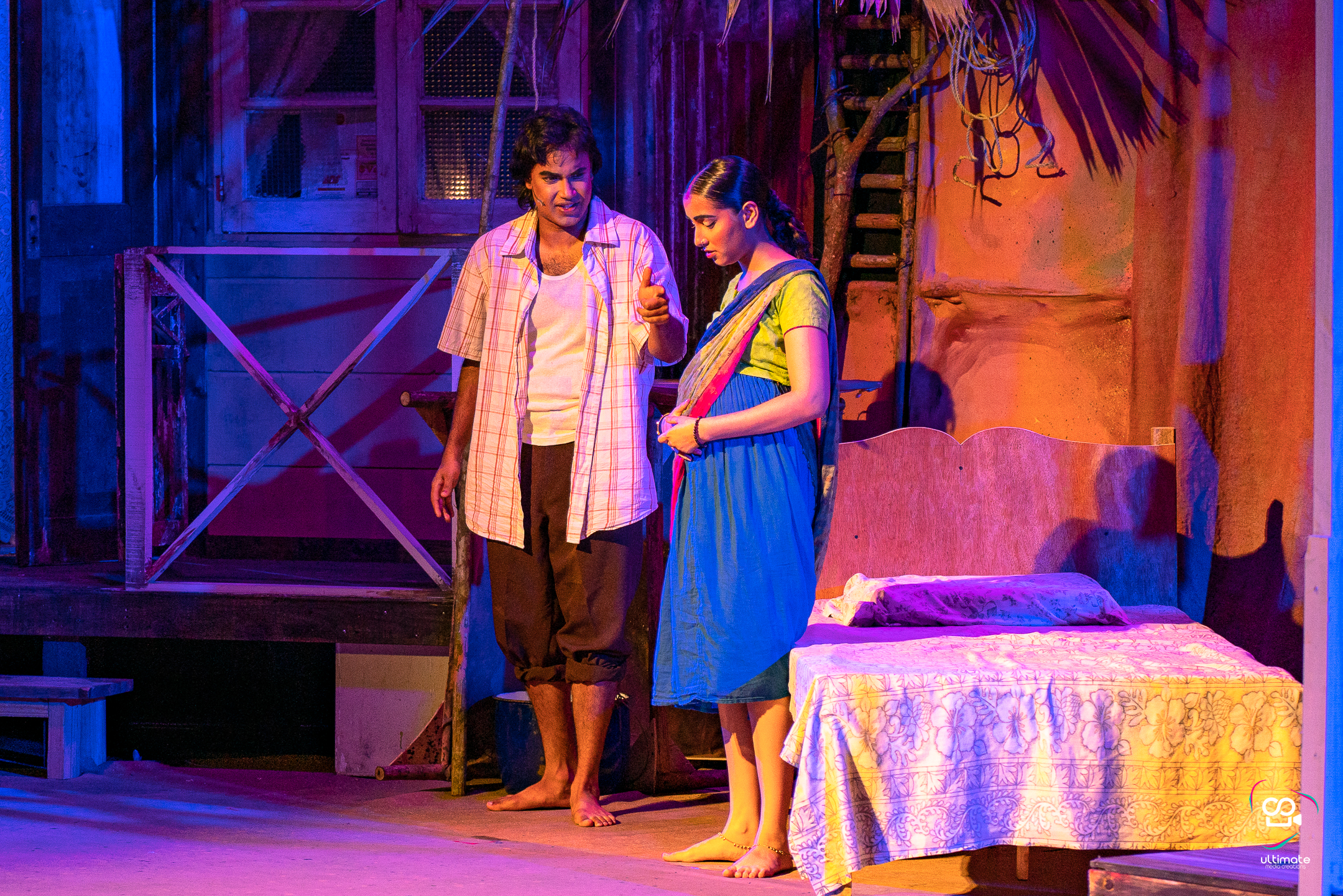
Snapshot of Trinidadian history – A Brighter Sun (2023) | Photo Credit: Stephen Dalchan 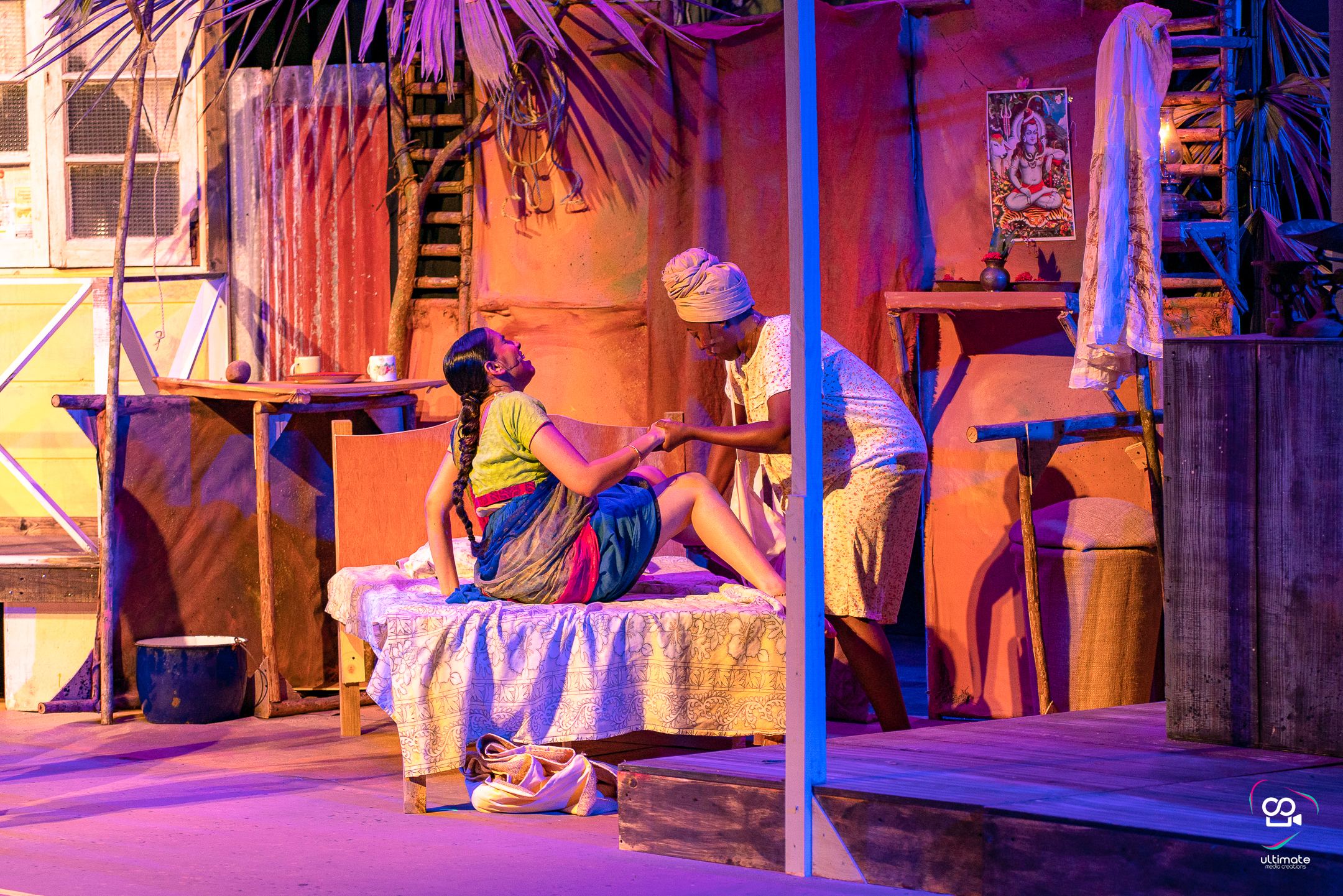
Snapshot of Trinidadian history – A Brighter Sun (2023) | Photo Credit: Stephen Dalchan 
Snapshot of Trinidadian history – A Brighter Sun (2023) | Photo Credit: Stephen Dalchan 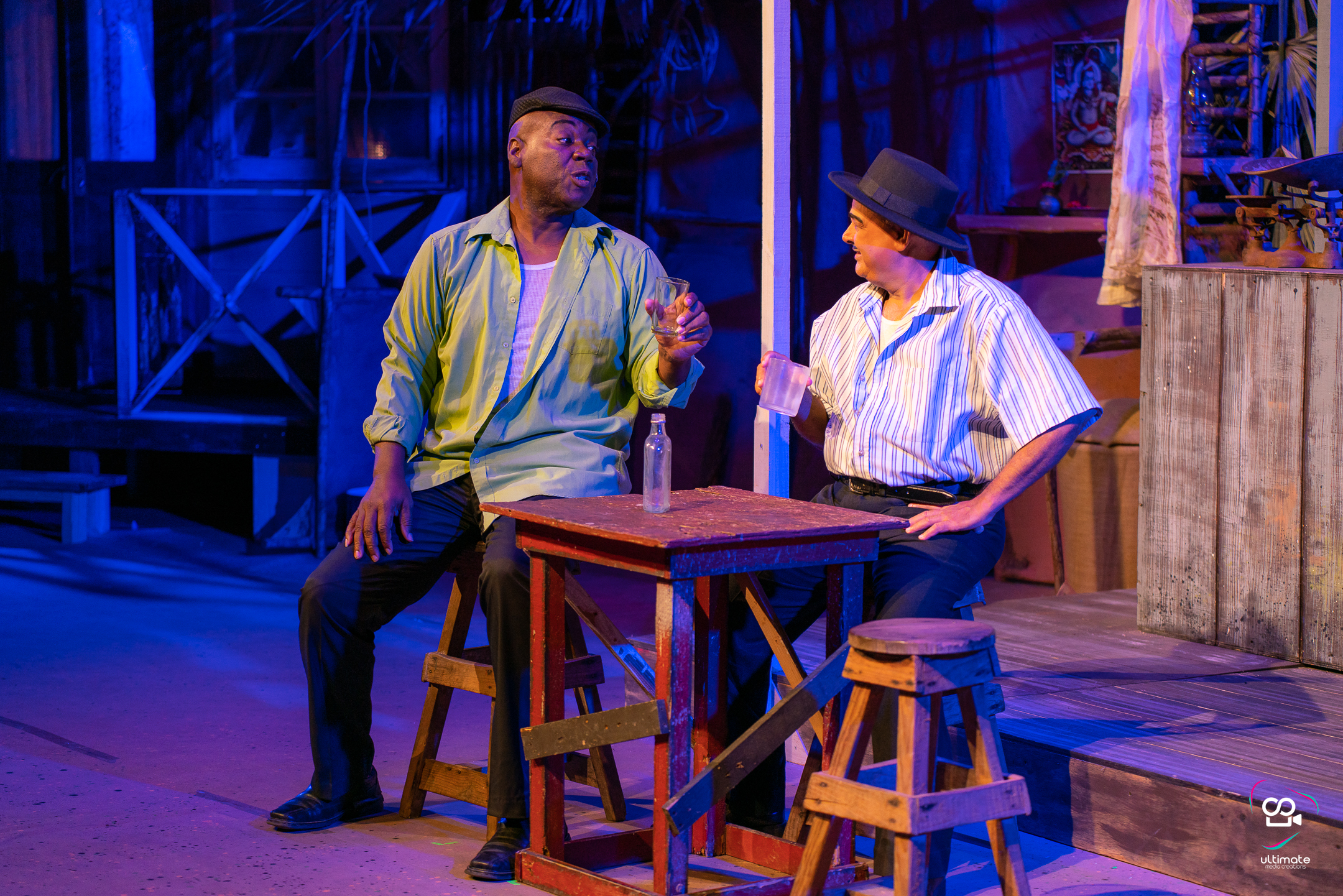
Snapshot of Trinidadian history – A Brighter Sun (2023) | Photo Credit: Stephen Dalchan 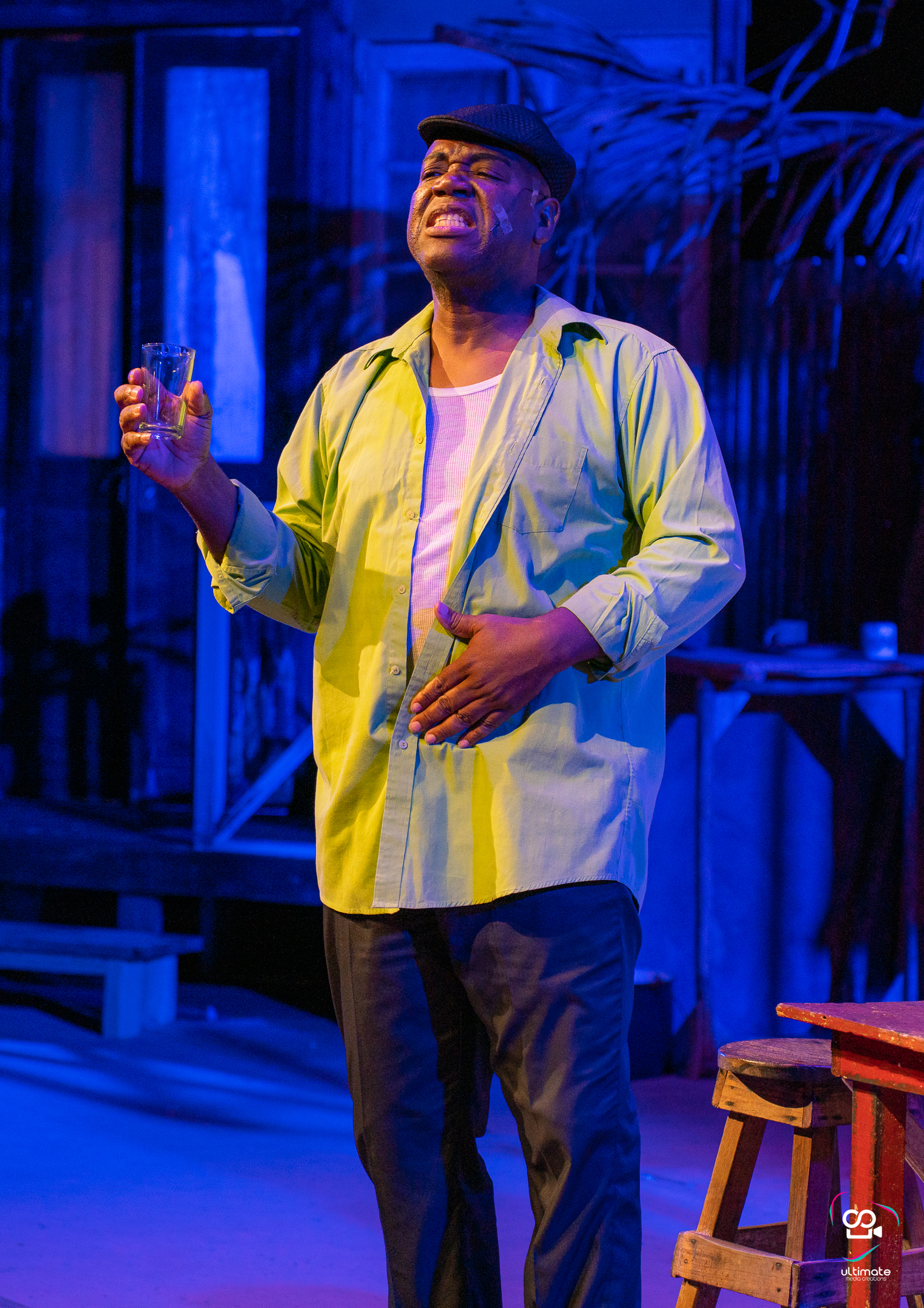
Snapshot of Trinidadian history – A Brighter Sun (2023) | Photo Credit: Stephen Dalchan 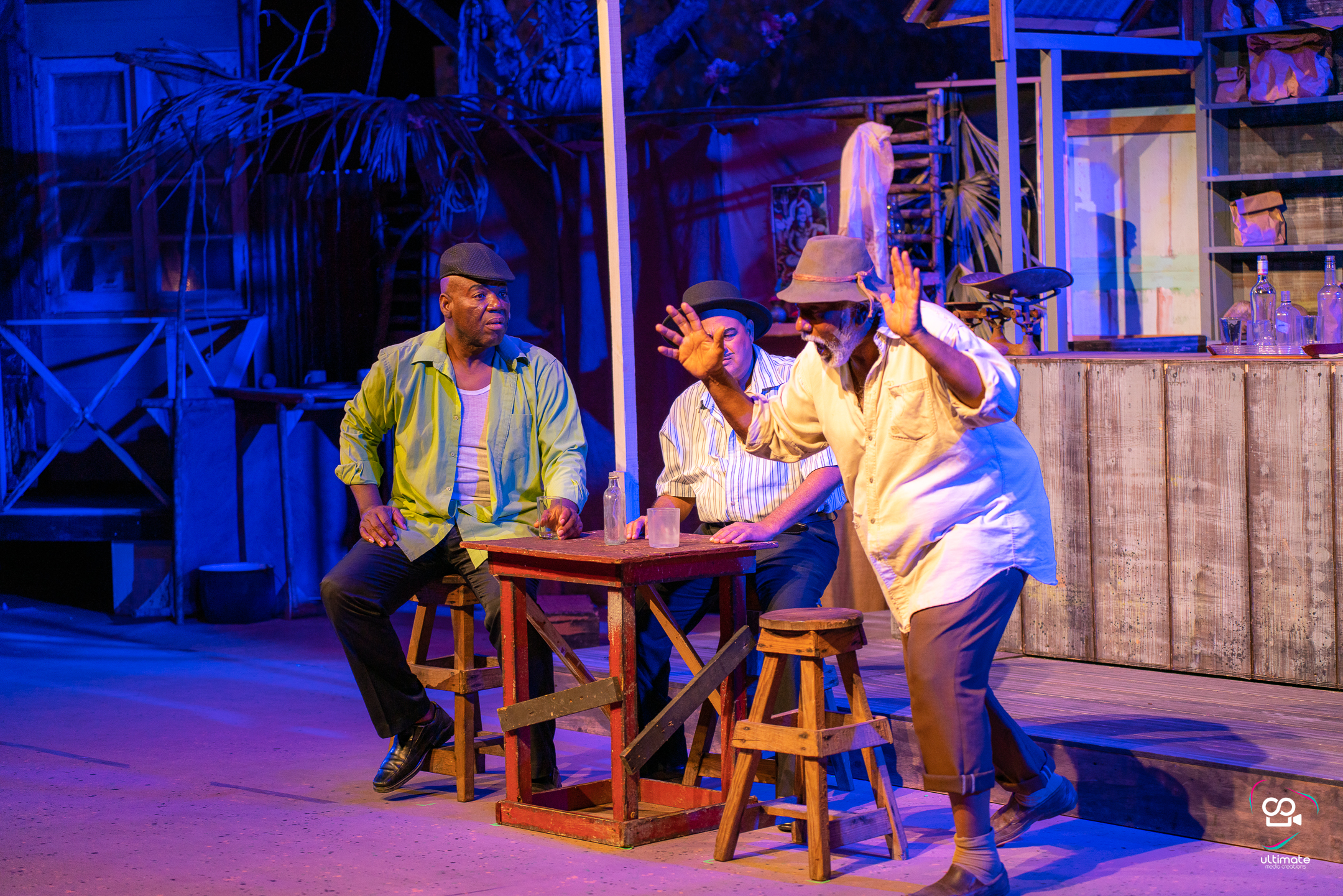
Snapshot of Trinidadian history – A Brighter Sun (2023) | Photo Credit: Stephen Dalchan 
Snapshot of Trinidadian history – A Brighter Sun (2023) | Photo Credit: Stephen Dalchan 
Snapshot of Trinidadian history – A Brighter Sun (2023) | Photo Credit: Stephen Dalchan 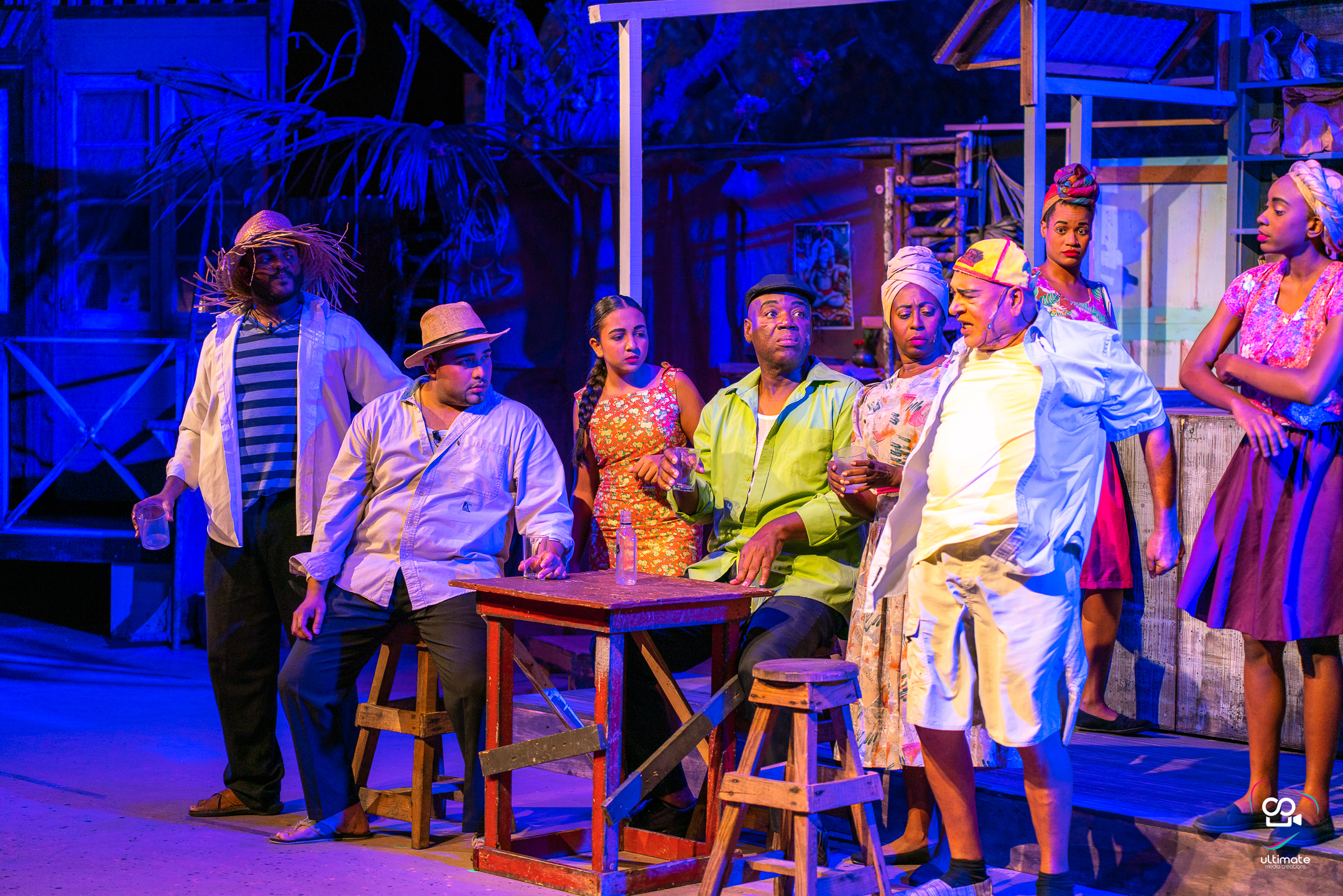
Snapshot of Trinidadian history – A Brighter Sun (2023) | Photo Credit: Stephen Dalchan 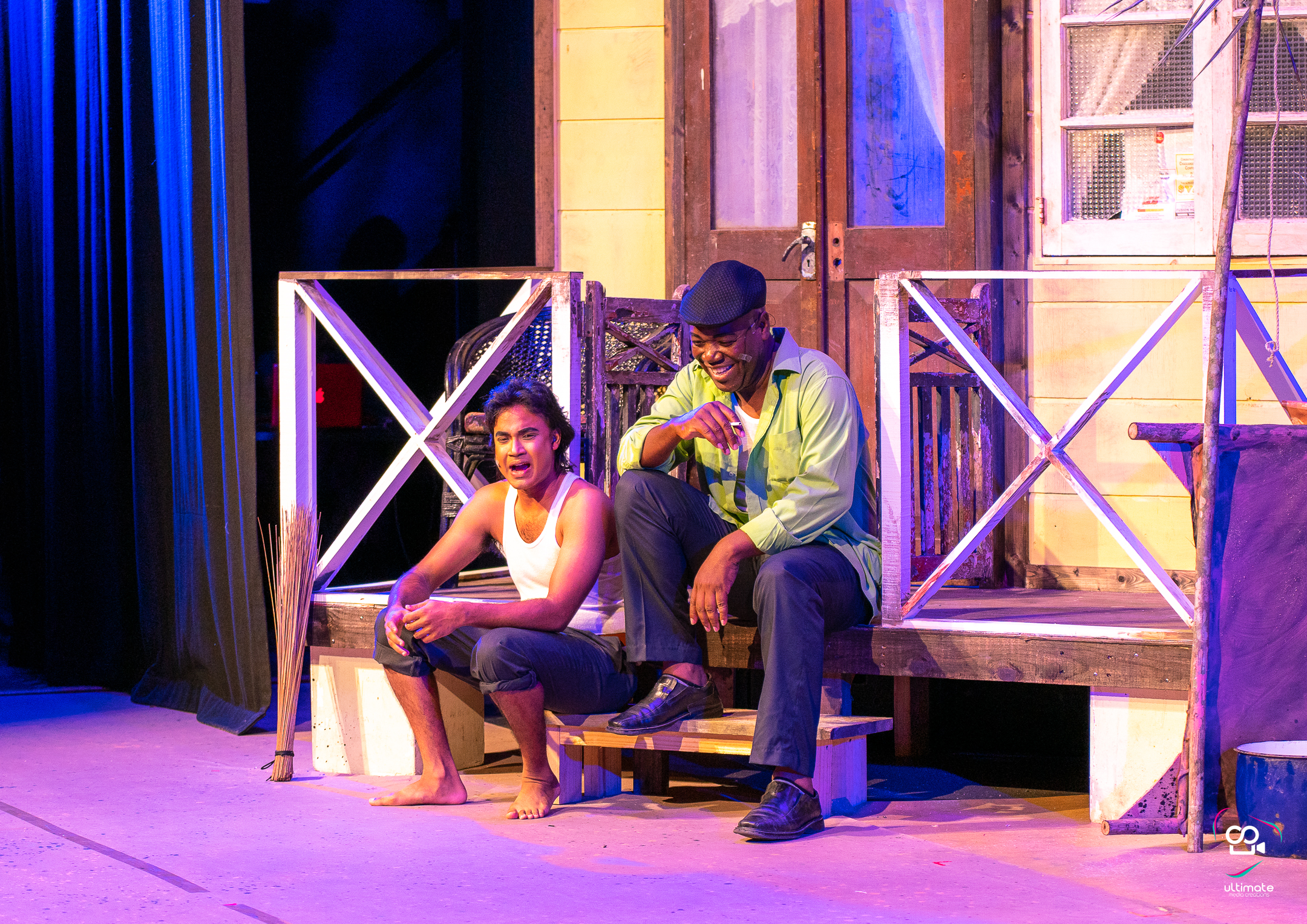
Snapshot of Trinidadian history – A Brighter Sun (2023) | Photo Credit: Stephen Dalchan 
Snapshot of Trinidadian history – A Brighter Sun (2023) | Photo Credit: Stephen Dalchan 
Snapshot of Trinidadian history – A Brighter Sun (2023) | Photo Credit: Stephen Dalchan 
Snapshot of Trinidadian history – A Brighter Sun (2023) | Photo Credit: Stephen Dalchan 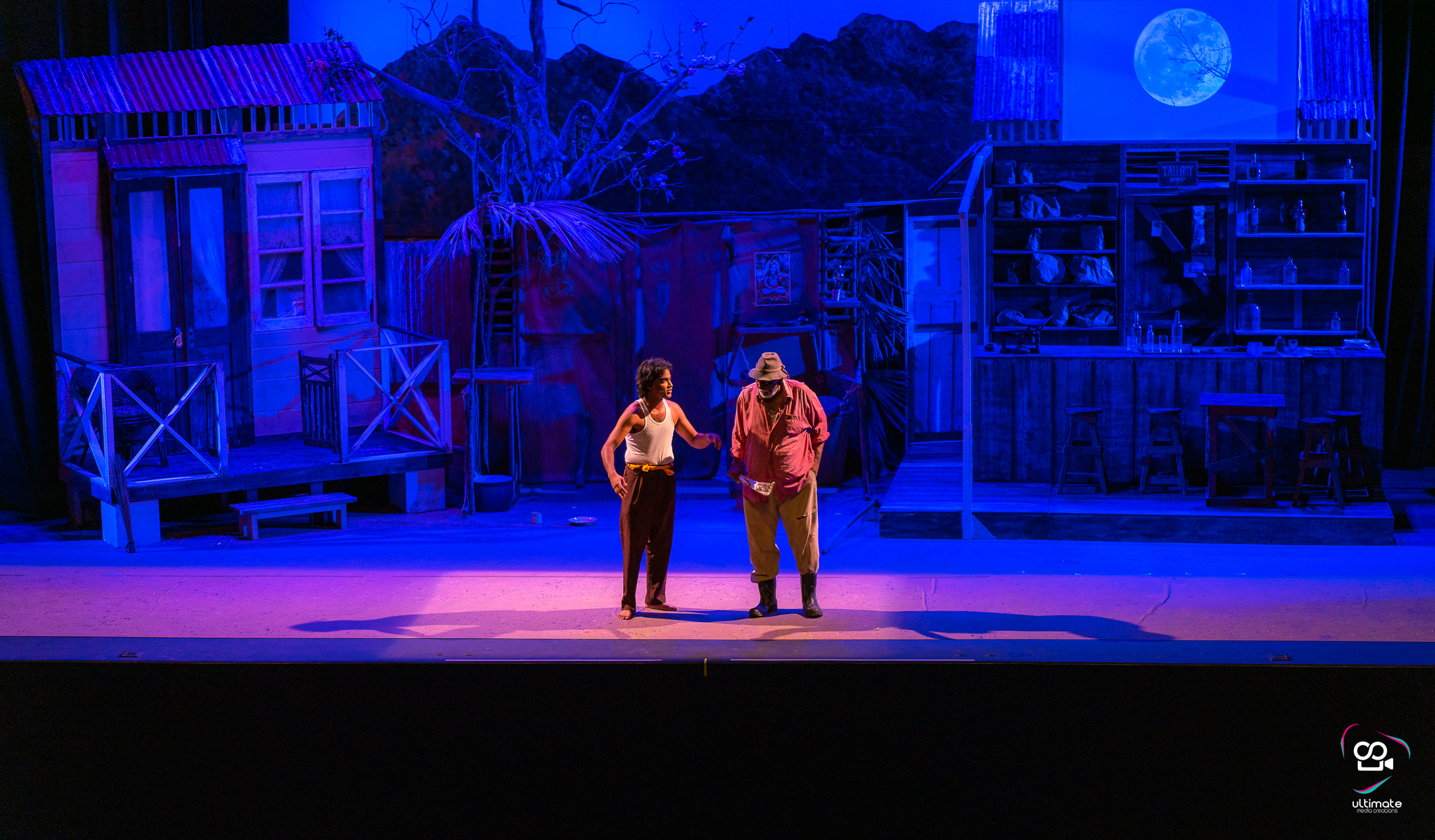
Snapshot of Trinidadian history – A Brighter Sun (2023) | Photo Credit: Stephen Dalchan 
Snapshot of Trinidadian history – A Brighter Sun (2023) | Photo Credit: Stephen Dalchan 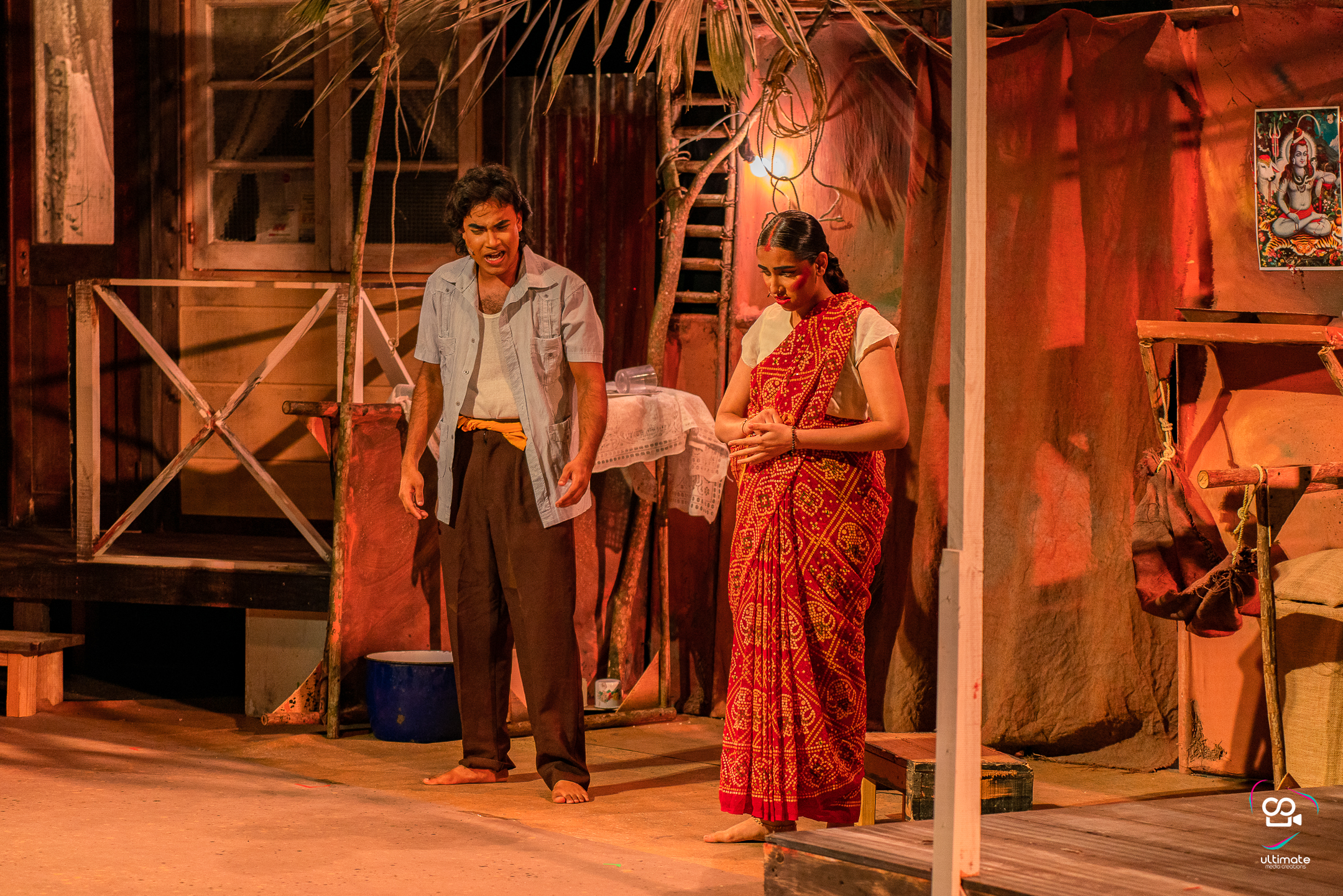
Snapshot of Trinidadian history – A Brighter Sun (2023) | Photo Credit: Stephen Dalchan 
Snapshot of Trinidadian history – A Brighter Sun (2023) | Photo Credit: Stephen Dalchan 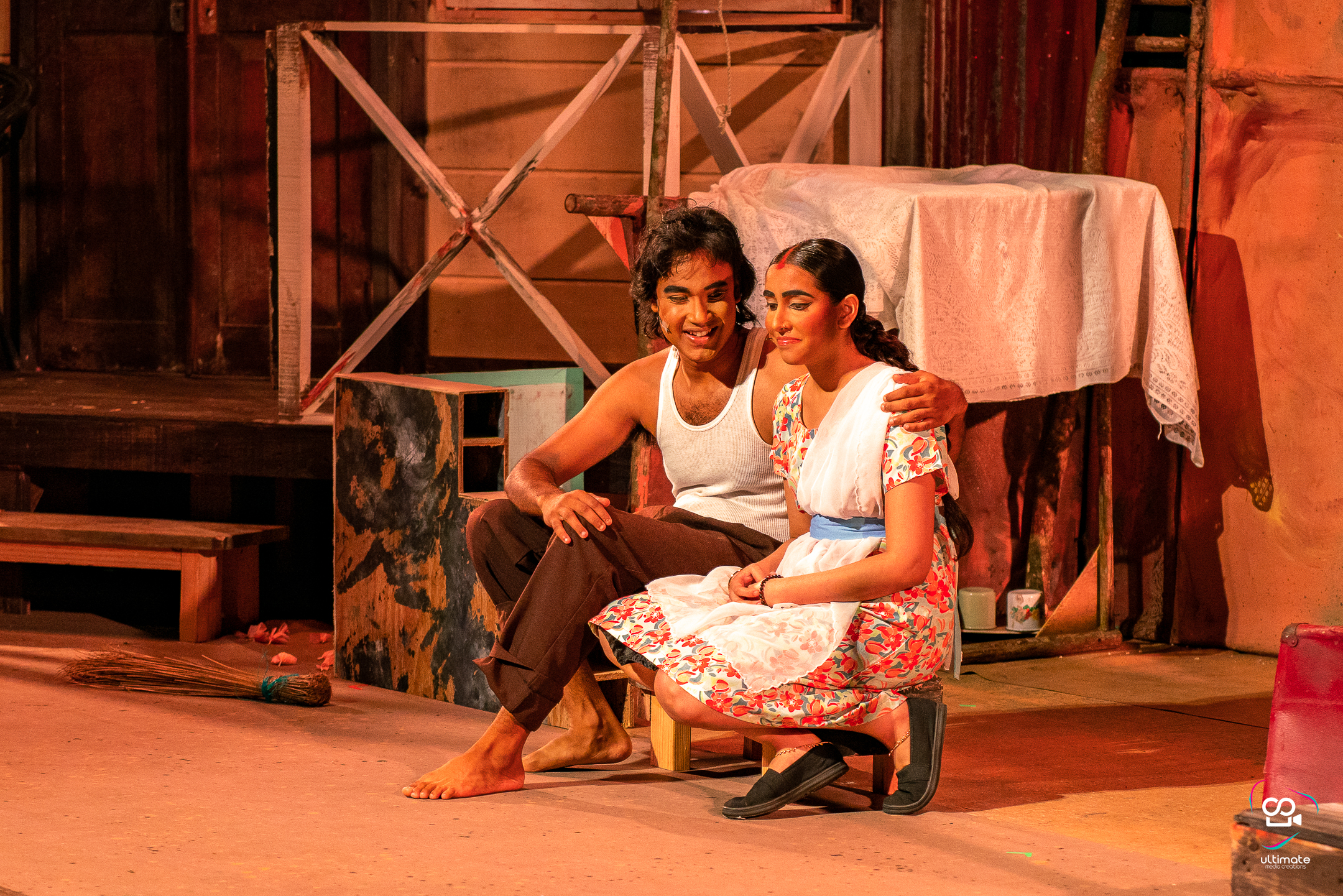
Snapshot of Trinidadian history – A Brighter Sun (2023) | Photo Credit: Stephen Dalchan
There is also the looming spectre of war hanging over these characters and their circumstances. While they try to make it through life in their little village, Europe is being ravaged, and the geo-political make-up of the world is being re-written. On top of this, the American presence in Trinidad affects the characters in a very real way. The Americans are building a road that passes through their farmlands, offering them compensation and, especially for Tiger, opportunities for work that will allow him to potentially move up in life and reach a similar status to Joe, who has the good fortune of working on an American base.
Selvon’s original story is a thoughtful, funny, well-written exploration of Trinidadians in the 1940’s trying to forge an identity, to carve out a place for themselves in a small pocket of an evolving world. The play (whose authorship recently came into dispute) aims for these same goals, succeeding in some ways… but falling short in many others. Besides the excellent set design mentioned earlier, the live music and the commendable singing of the actors really brought the play to life. The costume design was also very well done and added to the feel of authenticity that the set helped to establish from the start. However, when it came to the acting, there were hits… and there were misses.
Denise Dickson-Cunningham’s performance for example, felt the most natural and believable. Her enunciation and body language made her seem at home in the vintage set design, bringing a warm and familiar-feeling presence to the stage which made her character feel the closest to an actual real person. At the same time, David Sammy as the drunkard, Sookdeo, exhibited an admirable commitment to his character even if at times the performance teeters on the edge of caricature. The scene of his unravelling was the most emotionally impactful moment in a play that felt like emotional paint by numbers for the other big moments.
On the contrary, Jitindra Mewahlal’s portrayal of the central character, ‘Tiger’, left much to be desired. His delivery felt more contrived than natural in both verbal delivery and body language. Then there is the bafflingly cartoonish performance of Ramlal as Chinese shop-owner, Tall Boy. The geisha-like shuffle-walk, the bad Chinese accent, it all read as vaguely racist caricature rather than textual or cultural authenticity.

Some of these shortcomings could also be chalked up to the tragically underdeveloped script. Adapting any work from novel to stage is a daunting task and the struggle won in this case. The characters are not well fleshed out, and as the play presents us with snapshots of their lives, there is no emotional or narrative flow between these moments. If the play were to adapt every scene and detail from the novel faithfully, it would be unbearably long. However, with a well-written script, a good adaptation can capture the essence, or place a stronger focus on certain characters in order to ensure the narrative makes sense. With a tighter focus on the main characters like Tiger, Urmilla, Rita, and Joe, their emotional journeys could have been developed more authentically and their climactic moments and growth as characters would have had more impact. As it was, by the end of the play, it felt like very little actually happened. The idea and the bones of a story were there, largely thanks to Selvon, but the script failed to flesh it out, leaving the climax and resolution of the play feeling empty.
Nevertheless, despite its drawbacks, the fantastic set, lights, costuming, the beautiful musical accompaniment, a generally talented cast and a competent crew, still made Iere Theatre Productions’ staging of A Brighter Sun an enjoyable experience. Selvon’s affinity for theatre and film has always shown in his narrative fiction and A Brighter Sun feels like it was always meant for the stage. While this was not a perfect adaptation, it was wonderful to see the characters come to life on stage and help us engage with a rich, important period of our history.
Note: Reviews are editorially independent and reflect the informed perspective of the assigned writer. Submissions may be edited for clarity, coherence, and publication standards without altering the reviewer’s original viewpoint.
ABOUT THE AUTHOR

Hey, Shazim Khan here! I’m a student of literature at UWI, which happened as a result of a long time fascination with words in all their various forms and mediums. I also have a deep affinity for the arts on the whole, especially music of all genres – I’m an amateur guitarist.
In 2016 I was introduced to the fascinating world of theatre. The spellbinding magic that can be so expertly conjured on stage has captivated me and inspired a desire to learn and experience as much as possible of this timeless and magnificent craft.
 The Trinidad and Tobago Performing Arts Network